

Academic Credential Inflation in Teacher Education in Sri Lanka: Teachers’ Perspective of the Efficacy of Master of Education Degree
V. Vijayabaskar1, L.M.K. Bandara2
University of Colombo
Abstract
Academic inflation theory in Education Economics relates the devaluation of university degrees due to their excessive supply to the job market. Churning out graduates with master’s degrees exceeding the demand for jobs leads to a surplus. Generally, the level of degrees and the number of jobs that require them are inversely proportionate. Academic credential inflation refers to the increase of higher degree qualifications for specific jobs where the actual value, in terms of their efficacy, decreases. This study explored teachers’ perceptions to identify their perceived efficacy from the returns of their Master of Education qualifications. A phenomenological approach was used to delve deep and describe the teachers’ lived experiences through focus group interviews with 10 participant groups who completed their Master of Education in 2022 in the Jaffna district of Sri Lanka. The perceived efficacy of the qualification was evaluated through the dimensions: Economic returns, Professional development, social mobilization, and psychological empowerment. All teachers have gained increased self-confidence to be professional educators. Most of the respondents perceived improved knowledge of pedagogical methodology and student engagement. At the same time, only half of them opined that they had been empowered to encounter professional competition within their community. These conditions correspond with the signaling theory. Though a few connected their qualifications with increased remuneration, promotional opportunities, and an elevation in social status, the teachers in service Grade 1 noted that the qualification was unlikely functional for professional requirements. These claims lead to the conclusion that the Master of Education degree did not infuse adequate economic value into the graduates to increase their demand and contribute to generating human capital gains as expected. The number of Master of Education degree holders has increased considerably in the mediocre teaching profession in recent years, which resembles the situation of academic credential inflation. The study identified several factors: socio-economic conditions, higher education institutions craving for fund generation through increased admission, minimal structural development in the education sector, political interventions in education administration, curricular inconsistencies and lenient administration, and problems in student engagement, triggering academic credential inflation.
Keywords: Academic credential inflation, education economics, devaluation of qualification.
Introduction
Pursuing higher education is a personal aspiration and a collective endeavor deeply embedded in the societal fabric. With an ever-evolving economic landscape and a genuine desire for progress, the need for accessible and quality higher education for all has become paramount. Education is widely perceived as the cornerstone of socio-economic advancement, offering individuals the key to securing better opportunities, contributing meaningfully to the workforce, and fostering innovation and growth within the nation. Moreover, there exists a genuine belief in the transformative power of education to break down barriers of inequality, promote social mobility, and cultivate a more equitable society. Consequently, the call for expanded access to higher education resonates as a means of individual empowerment and a vehicle for national development and prosperity. In light of these aspirations, the clamor for broader inclusion in higher education has spurred positive initiatives aimed at equitable access and enhancing the quality of educational offerings across Sri Lanka since independence.
However, amidst the noble aspirations for universal higher education, it is imperative to acknowledge the potential drawbacks and challenges associated with the proliferation of university degrees. Failure to translate educational attainment into tangible economic benefits for individuals who have invested their money, effort, and time and society at large can exacerbate existing disparities and undermine the efficacy of such educational investments. Moreover, such emphasis on academic credentials alone may overshadow other critical facets of human development, such as social and psychological well-being. In an environment characterized by intense competition and credential inflation, graduates may experience heightened stress, anxiety, and feelings of inadequacy, adversely impacting their overall self-efficacy and sense of fulfillment. Furthermore, pursuing higher education does not guarantee success in their professional realm, as job markets become increasingly saturated with degree holders, leading to disappointment and frustration among graduates. Thus, while pursuing higher education is undoubtedly laudable, it is essential to critically examine its broader implications regarding the needs and prospects of graduates and ensure that educational policies and practices align with holistic notions of individual and societal development.
In developing countries, academic credential inflation is often hidden and unnoticed, obscured by more visible challenges such as poverty, unemployment, and inadequate infrastructure. Unlike overt crises that attract immediate attention, credential inflation’s subtle and gradual nature makes it less conspicuous to policymakers, educators, and the general public. Additionally, in societies where educational attainment is highly prized and equated with social status and economic opportunity, a pervasive belief exists that more education inherently translates to better prospects, leading to a normalization of credential inflation. Moreover, the lack of comprehensive data and systematic monitoring mechanisms further compound the issue, making it difficult to discern the extent and impact of credential inflation on individuals and society. Consequently, academic credential inflation persists as a silent yet insidious phenomenon, quietly exacerbating inequities and distorting the educational landscape by devaluing academic qualifications in developing countries like Sri Lanka without garnering the attention it warrants.
As a contemporary issue of diverse causes and implications globally, academic credential inflation in teacher education in Sri Lanka is a multifaceted phenomenon influenced by various socio-economic and cultural factors. As the education industry becomes more specialized and competitive, teachers and administrators often rely on educational qualifications as a proxy for skills and competencies, thereby intensifying the perceived value of university degrees. This increased emphasis on formal credentials creates a feedback loop wherein individuals feel compelled to pursue higher levels of education to remain competitive, further fueling credential inflation. Additionally, societal expectations and norms regarding success and social mobility contribute to the proliferation of university degrees as individuals seek to fulfill societal expectations and secure better opportunities for themselves and their families. Furthermore, the expansion of higher education institutions and the commodification of education have led to a proliferation of degree-granting programs, exacerbating the issue of credential inflation. As a result, academic credential inflation in Sri Lanka is a complex phenomenon driven by intersecting economic, cultural, and institutional factors that have profound implications for individuals, society, and the education system.
Academic credential inflation has recently garnered considerable attention within education economics. This trend is particularly prevalent across various sectors in developing nations, including teacher education. Despite its significance, the prevalence of academic credential inflation within the educational landscape of Sri Lanka, particularly in teacher education, still needs to be explored through rigorous empirical inquiry. Understanding the cost-effectiveness of educational programs becomes paramount in mitigating the repercussions of underemployment and other detrimental effects on the output of the education sector. Education economists argue that an imbalance between the increasing number of graduates with master’s degrees and the demand for such qualifications in the job market leads to a surplus supply of qualified individuals. This surplus, alongside various other factors, contributes to the depreciation of educational credentials, diminishing the perceived benefits of higher degrees. These benefits include financial rewards, promotional opportunities, career advancement prospects, professional reputation enhancement, and the ability to transition to more favorable working environments. Such conceptualizations are likely applicable to teacher education as well.
Understanding the perspectives of teachers who have completed their Master of Education degree is crucial in assessing the efficacy realized from adding the absolute value of their qualification. By exploring their perceptions and lived experiences, we can gain valuable insights into the impact of academic credential inflation on teachers’ professional development, job prospects, and the overall quality of education. Therefore, this study aims to delve deeply into the perceptions of the teachers who have recently completed the Master of Education degrees in Sri Lanka.
The problem of the study
As delineated by McLean & Rollwagen (2010), academic credential inflation denotes the escalating requirement of higher educational credentials for specific positions, notwithstanding their necessity for job performance. Economically, it resembles the notion of underemployment, signifying a decline in the actual value of educational qualifications concerning their earning potential within occupations.
Consequently, individuals possessing advanced educational qualifications often find themselves in roles that do not warrant such elevated diplomas or degrees. Notably, this trend is not accompanied by a commensurate increase in social standing, market value, or financial rewards for graduates corresponding to their level of academic attainment. Rather than enhancing their professional skills, individuals frequently pursue higher educational qualifications primarily for appending credentials to their names. This phenomenon detracts from workers’ inclination to cultivate employment skills through practical experience, leading to prolonged stays in academic institutions to accumulate additional certificates.
The educational landscape in Sri Lanka is characterized by a significant presence of government employees within the general education sector, with 5.7% workers of the total labor force of the country that comprises 241054 teachers deployed in 11086 (Socio-economic data, 2023), ranking second only to the armed forces, and receives an annual budget allocation of approximately 4%. Over the past three decades, there has been a notable surge in the number of graduate teachers in schools, particularly with an increasing prevalence of teachers possessing a Master of Education degree. Annually, an estimated 1200 teachers enroll in master’s degree programs at the universities and higher education institutions in Sri Lanka. However, a considerable portion of these teachers pursuing a Master’s Degree have already attained grade one status in their service through promotion based on the tenure period, rendering their master’s degree qualifications inconsequential for their career advancement. In Sri Lanka, graduates are typically appointed at Grade III of the Teachers’ Service, and promotion to higher grades is governed by the Service Minutes of Teachers of the Ministry of Education. Sri Lankan teacher recruitment schemes do not award significant merit to a Master’s Degree in Education.
This context leads to more graduate teachers not having commensurate opportunities to perceive the efficacy of their master’s degrees through increased emoluments, career advancement or professional development, social mobilization, and psychological empowerment. The discrepancy between the proliferation of advanced degrees and their limited utility in the current employment landscape highlights systemic issues within the education system that lead to the devaluation of degrees. The prevalence of academic credential inflation not only undermines the value of higher education but also hampers the overall effectiveness and efficiency of the education sector. Addressing this problem requires a comprehensive understanding of the factors contributing to credential inflation.
The findings of this study will provide valuable insights into the implications of academic credential inflation in the Sri Lankan context of teacher education. By identifying the factors contributing to this phenomenon that may arise from the socio-economic conditions, teachers’ attitudes, institutional dynamics, and curricular inconsistencies, the findings of the study can inform policy discussions and decision-making processes aimed at addressing the challenges associated with academic credential inflation in teacher education in Sri Lanka.
Literature review
Higher education expenditure is considered an investment for future student production and earnings. In education economics, two theories delineate the implications of the efficacy of educational qualifications and skills training on workers. The “signaling theory” explains that the qualifications earned through a higher educational engagement infuse an additional value on an individual. The added value enhances the attractiveness to employers and increases that person’s demand in the employment market (Ehrmantraut et al., 2020). The human capitalization theory narrates that such infusion of the additional value on individual students through educational programs turns into a human capital capable of earning higher returns from higher levels of job performance in higher positions (Pyatt & Becker, 1966). These conceptualizations are common for almost all educational disciplines and related employment fields. In addition to the financial rewards from the jobs, the higher educational qualifications may render a worker an array of other benefits. Thus, everyone in low and mid-professional career positions yearns to acquire higher educational qualifications.
Vural Başaran (2021) identified several reasons teachers want to pursue a master’s degree. Personal development as an academic in education, professional development as a teacher, acquisition of in-depth knowledge and skills in their professional field, and pursuing an academic career were the main reported priorities of teachers aspiring for master’s degree qualification. Teachers in Sri Lanka who enroll in postgraduate courses in Teacher Education have clear expectations regarding the efficacy of their studies. Previous studies show that teachers have realized improved self-efficacy in student engagement, application of appropriate instructional strategies, and enhanced classroom management capability after completing the Postgraduate Diploma in Education (Nawastheen et al., 2017).
These findings correspond with many other studies that found teachers’ preferences when continuing higher education. Most of their expectations were centered on personal and professional development in their career in education (Vural & Başaran, 2021). It has been observed that through higher education, teachers want to improve their knowledge of the foundations, principles, and practices of education, understand and conduct academic studies, specialize in their practice of classroom teaching and implement appropriate evaluation, enhance their professional skills to gain recognition among their community and gain confidence in their job performance.
As the number of graduates increases, the economic value of their degrees diminishes (Schwartz, 2023). This observation is significant because as degrees become surplus, many graduates work in fields unrelated to their university studies or need to receive adequate rewards for their qualifications. Schwartz (2023) further states that universities are expensive to run and rely on increasing their income by enrolling more students. This can be a contributing factor to academic inflation in some countries.
Collins (2002) agrees with Schwartz’s stance with a remark on contemporary university problems linked to credential inflation, which was driven by the expansion of universities in the 20th century. These expansions shaped the internal structure and academic conditions of the universities. The proliferation of academic disciplines, differentiation into specialties, and continuous research exacerbated these issues. He further argues that the expansions of higher education drive the universities into the overproduction of graduates, which results in an inflation of academic credentials awarded by the universities due to the changing value of educational degrees in the job market. As the number of persons with academic degrees becomes excessive to meet the job market’s needs, the occupational level of the degrees declines due to high competition.
However, the authors forward some supporting views. In a study, Ehrmantraut et al.( 2020) found substantial perceived returns to higher education and sizeable, expected labor market returns from signaling, whereas the perceived productivity enhancing the human capital returns also seem to be adequately pronounced. In another study, Fuentes et al. (2023) found that teachers graduating with a Master’s Degree in Education score significant job satisfaction levels, with greater career preparation possibilities. These studies have identified that several factors influence teachers’ realization of the efficacy of the master’s degree. The enhanced capability of the teachers to earn better financial emoluments alone does not solely determine the efficacy of the master’s degree qualification.
Academic credential inflation is a serious problem that not only debilitates the value of the degrees but also hinders human resource development and affects the country’s economic sector in several ways. It is not an issue of the universities alone, as several socio-economic factors aggravate its impact and prevalence. Credential inflation is predominantly self-perpetuating, as it thrives on a self- reinforcing cycle. In the past, the master’s degree level of education qualifications provided entry to higher level and prestigious employment opportunities. However, with the proliferation of educational qualifications, the prestige and market value of the degrees have diminished, resulting in an increased need for even higher levels of education. While there have been other contributing factors, this remains the primary driving force behind this phenomenon (Collins, 2002).
Credential inflation is primarily supply-driven. Kumari (2018) argues for the necessity of appropriate measures to be taken by the government to prevent human capital loss through education inflation (Pyatt & Becker, 1966) and imposing strict regulations on the higher education system, focusing on intellectualization and human resource quality improvement according to the requisition of a country. Sociologists have long used credential inflation theory to explain the devaluation of tertiary education degrees due to the excessive supply of educated personnel. They maintain that the literature has inadequately examined the fundamental social conditions of the issue (Araki & Kariya, 2022).
Figure 1
Conceptualizing the problem of the study
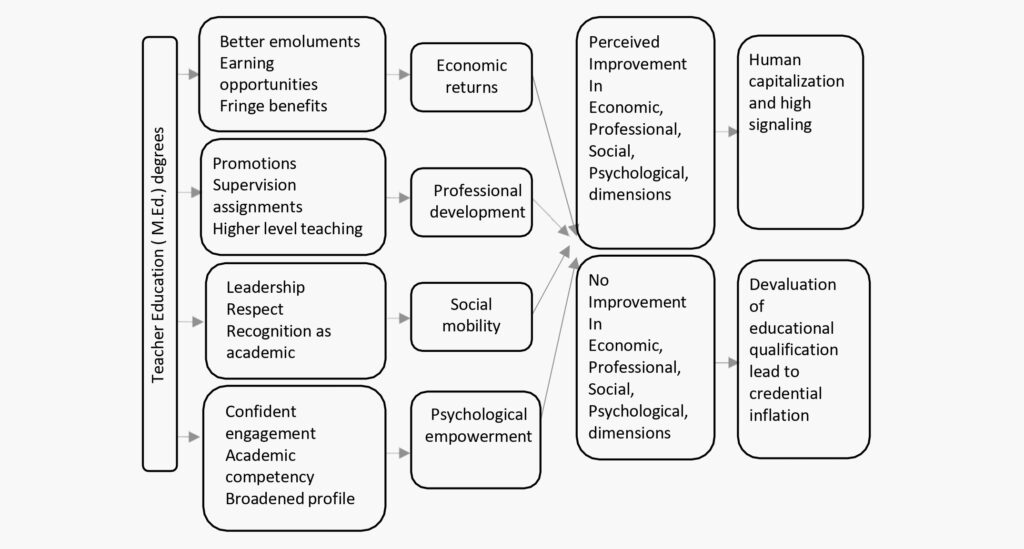
Academic credential inflation is a complex and multifaceted issue that has evolved over time in Sri Lankan education. This process is mainly autonomous, as it continually reinforces itself. Initially, higher degrees granted teachers access to elite professional positions in the education system. However, the broadening of educational attainments has eroded the degrees of social distinctiveness and market value, subsequently creating a heightened demand for even higher levels of education. While this dynamic prevails as the central driving force, it is essential to recognize that other contributing factors have also played a role in this ongoing transformation of the academic credential landscape. Understanding the dynamics and implications of academic credential inflation is crucial for educators, policymakers, and stakeholders to address the evolving landscape of education and the employment market for the education sector.
Objectives of the study
- To explore the teachers’ expectations of their Master’s Degree in Education regarding their personal and professional
- To examine the teachers’ perceived efficacy from their master’s degree in realizing their aspirations through their lived
- To identify the factors that influence teachers’ realizing of expected returns from the master’s Degree in
- To identify factors contributing to academic credential inflation in teacher education in Sri
Methodology
A phenomenological approach was employed to explore teachers’ perceptions regarding the efficacy of their Master of Education degrees in the context of academic credential inflation. Utilizing a phenomenological approach, this study aims to comprehend the lived experiences of the teachers and their perceived value derived from their qualifications. Phenomenology proves to be an apt methodology for exploring and understanding individuals’ lived experiences and perceptions. Given the complexity and subjectivity inherent in academic credential inflation, phenomenology offers an ideal framework for investigating subjective experiences and interpretations. Such an approach is pivotal in grasping the ramifications of academic credential inflation on teachers ‘ economic and professional advancement, job outlooks, and educational quality.
The decision to employ a phenomenological approach in this study is made as it seeks to uncover the essence and meaning of the experiences as perceived by the participants themselves rather than imposing external interpretations or theories. In the context of studying academic credential inflation among teachers with Master of Education Degrees in Sri Lanka, phenomenology proves particularly relevant as it places a strong emphasis on subjective experiences, allowing one to delve into the nuances of individuals’ perceptions and interpretations. In the case of academic credential inflation, teachers’ experiences of obtaining and utilizing their degrees are highly subjective and may vary significantly from one individual to another. Phenomenology enables us to capture these diverse perspectives in- depth.
The study was conducted in the Jaffna district of Sri Lanka, and 10 participant groups, consisting of 12 teachers in each group who completed their Master of Education in 2022, were selected through convenient sampling for the focus group interviews.
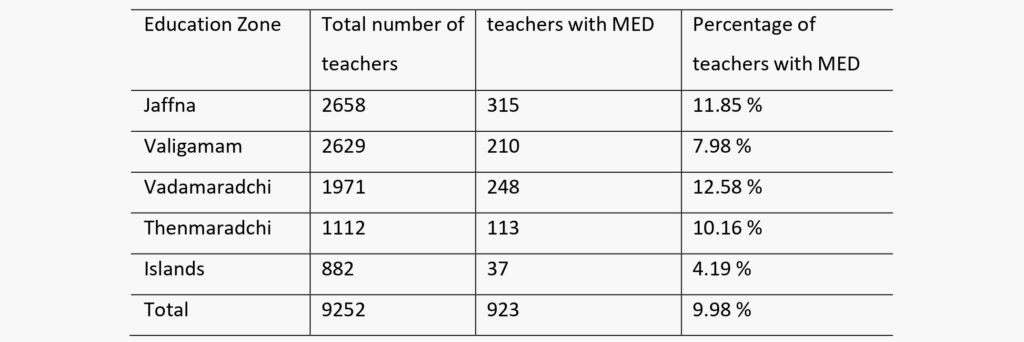
Table 1
Number of teachers with Master’s Degree in Education in Jaffna district in 2023
A semi-structured interview schedule designed to elicit responses regarding Perceived teacher efficacy of the Master’s degree in four dimensions: Economic returns, Professional Development, Social mobilization, and Psychological empowerment. The questions targeted the realized benefits of the teachers from the Master’s degree. Better economic rewards attained through high rates of payments, expanded earning opportunities, and increased fringe benefits were the primary directives of the questions that explored the Economic returns. Higher professional performance was examined through improved promotional prospects, assignments of supervisory duties, and teaching to higher academic levels. Mobility in social hierarchy was examined through nomination to social leadership positions, improved respect among the community, and recognition as an educational expert by the community members. Strengthened academic personality was examined through the confidence in engaging students and teaching, the self-confidence of improved teacher competencies, and the realization of the broadened academic profile.
Further, the interviews explored the factors contributing to academic credential inflation. The researcher conducted the interviews in person, and participants’ responses were recorded for qualitative analysis. This method allowed for the exploration of teachers’ perceptions and experiences, facilitating a deeper understanding of the multifaceted phenomenon of academic credential inflation in the context of teacher education in Sri Lanka.
The data collected were analyzed using thematic analysis. The interviews were voice recorded and transcribed verbatim, paying attention to the reliability of qualitative data. The transcribed interview data were carefully examined and coded to identify recurring themes, patterns, and key insights. The analysis process involved a systematic review of the data, identifying commonalities and differences in participants’ perspectives, and extracting meaningful insights to address the research objectives.
Findings of the study
The findings provide valuable information for a comprehensive understanding of the impact of Master of Education degrees on teachers in Sri Lanka and the factors contributing to academic credential inflation in the education sector.
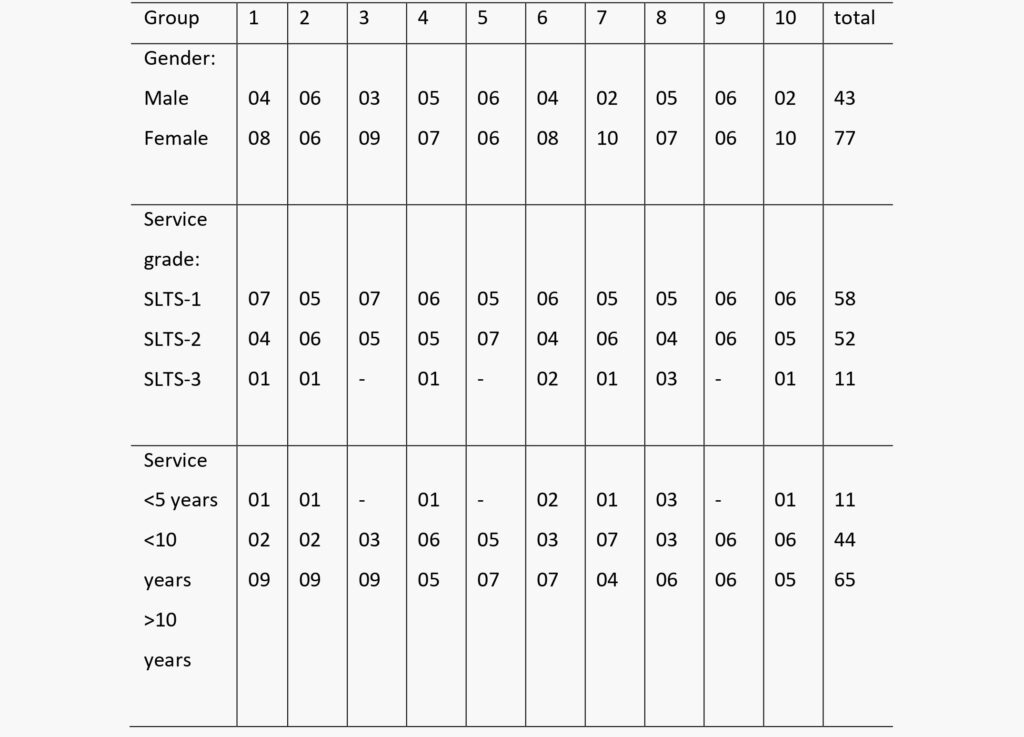
Table 2
Participants demographic background
What do the teachers expect from the Master’s Degree in Education regarding their personal and professional development?
The findings of the study revealed multifaceted expectations among teachers regarding the Master of Education degree in terms of both personal and professional development.
Teachers anticipate the economic returns associated with obtaining a Master of Education degree. Most of the teachers, though they do not have strong hope, expect a commensurate increase in salary and other financial benefits related to their remuneration upon completing their Master’s degree, reflecting the additional qualifications and expertise they have acquired. This expectation is grounded in the belief that higher educational attainment should translate into higher financial rewards. Additionally, teachers hope for improved job facilities and stability, as advanced degrees often enhance their desirability to education administrators and principals. Furthermore, some teachers hope that obtaining a master’s degree will lead to more significant opportunities for career advancement, such as promotions to higher-paying administrative or leadership positions within the education sector. Overall, teachers’ expectations regarding the economic returns of a Master of Education degree are closely tied to their aspirations for improved financial well-being and professional development.
On a personal level, teachers expressed aspirations for self-improvement, enhanced confidence, and a sense of accomplishment from acquiring advanced educational qualifications. Many viewed the Master’s degree in Education as a means of personal fulfillment and intellectual growth, providing opportunities for deeper engagement with academic theories and practices. Professionally, teachers anticipated that the Master’s degree should augment their pedagogical skills, expand their knowledge base, and equip them with innovative teaching strategies to meet the evolving needs of their students. Furthermore, teachers anticipated that the Master’s degree would enhance their career prospects by opening doors to leadership positions, administrative roles, and specialized teaching assignments. The interviews underscored the teacher’s aspirations to be realized through the Master’s degree qualification that gives the intrinsic and extrinsic motivations driving teachers’ expectations regarding the Master of Education degree, highlighting its value in fostering personal growth and professional advancement within the education sector.
How do the teachers perceive the efficacy of their qualification for a Master’s Degree in Education in realizing their aspirations?
Most teachers who completed their Master of Education degrees reported a notable increase in their self-confidence as professional educators. They perceived improvements in their knowledge of pedagogical methodology and student engagement, which positively influenced their teaching practices. Approximately half of the respondents feel empowered to face professional competition within the teachers’ community and organizational context. This aligns with the signaling theory, where higher qualifications signal competence but may not necessarily translate into concrete career benefits. While some teachers did associate their qualifications with increased remuneration, promotional opportunities, and elevated social status, these instances were limited. For many teachers, particularly those in service Grade-1 positions, the Master of Education degree did not significantly impact their professional requirements, implying a gap between the qualifications and their economic value. The teachers in service Grade 1 noted that the qualification needed to be functional for professional requirements.
What factors influence their realizing the expected returns of their Master’s Degree in Education qualification?
Several factors influence the realization of expected returns associated with teachers obtaining a Master’s Degree in Education qualification. The recognition and value accorded to advanced degrees within the education organization of Sri Lanka play a crucial role. When the education management system and its administrative officers emphasize advanced qualifications and offer corresponding opportunities for career advancement and higher-level assignments, teachers are more likely to realize their expected returns. The relevance and applicability of the knowledge and skills acquired through the Master’s degree program are essential. Suppose teachers can directly apply what they have learned to improve their teaching practices, enhance student outcomes, and contribute meaningfully to their schools and communities. In that case, they are more likely to see tangible benefits from their investment in higher Education.
The availability of professional development opportunities and support networks can influence the realization of expected returns from the Master’s Degree in Education. Teachers who have access to ongoing training, mentorship, and collaborative learning environments may be better equipped to leverage their Master’s degree qualifications effectively and advance in their careers.
External factors, such as Sri Lanka’s overall economic climate, the job opportunities available for highly qualified people, working conditions in schools, and governmental policies, impact the realization of expected returns. The conducive job market emerged as a significant theme, under which external factors are identified as the most frequent subtheme. The respondents believed that if there is a high demand for qualified teachers and a solid commitment to investing in Education, teachers may have more significant opportunities to reap the rewards of their advanced qualifications.
Personal factors such as teachers’ dedication, motivation, and willingness to continuously improve and adapt can also influence the realization of expected returns. Teachers who actively seek growth opportunities, demonstrate leadership potential, and advocate for their professional development are more likely to capitalize on the benefits of their Master’s degree qualifications.
What factors contribute to academic credential inflation in teacher education in Sri Lanka?
Value addition emerged as a significant theme that delineates and depicts the realized benefits of the investments of money, effort, time, and the aspects forgone for obtaining the Master’s degree. The respondents were aware of the cost-benefit perspective when evaluating the efficacy of their qualifications. The efficacy of a master’s degree in Education is closely tied to human capitalization, which refers to investing in and developing individuals’ knowledge, skills, and abilities to enhance their productivity and economic value. In the context of Education, obtaining a master’s degree represents a significant investment in human capital, as it involves acquiring specialized knowledge and skills relevant to teaching and educational leadership.
A Master’s degree in Education moderately enhances teachers’ knowledge and expertise in pedagogy, curriculum development, and educational theory, thereby increasing their effectiveness in the classroom. Teachers with advanced qualifications are better equipped to employ evidence-based teaching strategies, differentiate instruction to meet diverse student needs, and facilitate meaningful learning experiences that promote student achievement and engagement. The Master’s degree in Education has provided only a low-level influence to elevate teachers’ leadership capabilities and professional competencies, enabling them to assume roles as instructional leaders, curriculum specialists, or educational administrators within their schools.
The efficacy of a master’s degree in Education is reflected in its shallow impact on teachers’ career prospects and earning potential in Sri Lanka. Teachers with advanced qualifications must be differentiated and considered more desirable candidates for leadership, specialized, and higher-paying positions within the education sector. As such, obtaining a master’s degree could not lead to increased opportunities for career advancement, professional growth, and financial rewards; it does not enhance teachers’ overall economic value or contribute to their human capitalization. At the same time, the study revealed a considerable increase in the number of individuals holding Master’s degrees in the teaching profession, reminiscent of academic credential inflation. Master’s degrees do not necessarily lead to a proportional increase in improved career opportunities or economic value for the graduates.
The study identified several factors contributing to academic credential inflation in the education sector in Sri Lanka. They include socio-economic conditions that are very unconducive to expanding employment opportunities or promotional prospects for teachers who academically and professionally upgrade themselves. The limited organizational developments in the education sector and economic constraints hinder the creation of high-level job positions, though the teachers seek Master’s degrees in the hope of better job opportunities.
A vital sub-theme emerged: “surplus of graduates due to over production ” Higher education institutions prioritize self-fund generation through increased student admissions, leading to a graduate surge. The universities and the higher education institutions that conduct Master’s degree programs in Education have begun to admit several students exceeding their capacities due to the budgetary benefits at the cost of the quality of the programs. These issues may dilute the rigor and substance of academic programs, making it easier for students to obtain degrees without acquiring the necessary skills and knowledge. While the students also had some influence on the institutional practices and attempts to influence the administration, it also weakened the quality of their program delivery.
Political interventions in education administration have resulted in relaxed standards and policies, which indirectly contribute to credential inflation. Curricular inconsistencies and lenient administration practices in higher education institutions have also contributed to diluting academic programs’ rigor and substance.
The interviews revealed teachers’ problems with student engagement, influenced by factors such as family responsibilities and job-related stress, potentially contributing to a decline in academic standards. Moreover, curricular inconsistencies and lenient and biased administration practices of education authorities have played a significant role in impacting teachers’ perceptions.
The findings indicated that some students in the Master’s degree programs are unable to be fully involved in their educational activities as most of them are family heads with many children, in their late years, and stressed by their job-related responsibilities, which may lead to a decline in academic standards and a subsequent rise in credential inflation.
Conclusion and recommendations
In conclusion, while completing a Master of Education degree can enhance teachers’ confidence and knowledge, the study reveals that it may not consistently translate into substantial career, social, or economic benefits. The prevalence of Master’s degrees within the teaching profession, coupled with limited improvements in job opportunities, highlights the potential issue of academic credential inflation. This trend underscores the importance of addressing underlying factors contributing to credential inflation. By addressing these challenges, stakeholders can ensure that higher degrees effectively contribute to human capital development and positively impact the education system and job market.
The following recommendations have been forwarded to the top of the form.
- Higher education institutions offering Master of Education programs should reassess their admission criteria to prioritize candidates who demonstrate a genuine commitment and potential to contribute meaningfully to the field of Education.
- Teacher education programs should undergo a comprehensive review and refinement process to ensure alignment with the teaching profession’s practical needs and challenges. This entails updating curricula, integrating innovative teaching methodologies, and incorporating real-world experiences to equip educators with the knowledge and skills needed for effective teaching practice.
- Collaboration with educational stakeholders, including the Ministry of Education, is essential to design Master of Education programs that address the current needs and challenges in the education By engaging in dialogue and partnership with key stakeholders, institutions can develop programs responsive to evolving educational trends, policies, and priorities, enhancing their relevance and impact.
- Educational authorities should prioritize providing professional development opportunities that complement academic qualifications. This includes offering ongoing training, mentorship programs, and practical experiences to help teachers translate their academic learning into effective teaching By combining academic knowledge with practical skills and experiences, educators can maximize their effectiveness in the classroom and positively impact student learning outcomes.
References
- Araki, S., & Kariya, T. (2022). Credential inflation and Decredentialization: Re- examining the mechanism of the devaluation of degrees. European Sociological Review, 38(6), 904-919. https://doi.org/10.1093/esr/jcac004
- Collins, R. (2002). Credential inflation and the future of universities. The Future of the City of Intellect, 23-46. https://doi.org/10.1515/9780804779166-005
- Ehrmantraut, L., Pinger, P.,& Stans, R. (2020).The Expected (Signaling) Value of Higher Education. IZA Discussion Paper No. 13729, SSRN: https://ssrn.com/abstract=3699846 or http://dx.doi.org/10.2139/ssrn.3699846
- McLean, S., & Rollwagen, H. (2010). Educational expansion or credential inflation? The evolution of part-time study by adults at McGill University, Canada. International Journal of Lifelong Education, 29(6), 739-755. https://doi.org/10.1080/02601370.2010.523944
- Pyatt, G., & Becker, G. S. (1966). Human capital: A theoretical and empirical analysis, with special reference to education. The Economic Journal, 76(303), 635. https://doi.org/10.2307/2229541
- Nawastheen, F. M., Wanasinghe, W. M. S., & Senaviratne, P. (2017). A Study on PGDE Student-Teacher Efficacy Beliefs in the Sri Lankan Context. OUSL Journal, 12(1), 27-44.DOI: https://doi.org/10.4038/ouslj.v12i1.7360
- Vural,O.F., Başaran, M. (2016). The reasons for teachers’ preference for Master’s degree. International Journal of Curriculum and Instruction 13(1) Special Issue (2021) 589–613. http://creativecommons.org/licenses/by-nc-nd/4.0/
- Schwartz,S. ( 2023). Degree Inflation: Undermining the value of higher education. Centre for Independent Studies, Australia. https://www.cis.org.au/wp-content/uploads/2023/05/AP48_for-Web.pdf
- Pérez Fuentes, C. A., Alvarez Maestre, A. J., Cardona Rivas, A. M., Aguilar Barreto, A. J., & Sanabria Alarcón, R. K. (2023). Job Satisfaction and Teacher Education: Correlational Study in Postgraduate Graduates in Education. Education Sciences, 13(2), 198. MDPI AG. Retrieved from http://dx.doi.org/10.3390/educsci13020198
- Kumari,N.(2018). The Role of Higher Education in Human Capital Formation in India, International Journal of Creative Research Thoughts (IJCRT) 6(2). www.ijcrt.org 38. https://ijcrt.org/papers/IJCRT1812003.pdf

Editorial
Editorial International educational journals play a vital role in advancing the field of education by facilitating the dissemination of research findings, innovative practices, and theoretical advancements on a global scale. However, the number of scholarly journal publications on education in Sri Lanka is limited. Therefore, scholars in the education field in Sri Lanka […]

The Relationship between the Factors Affecting Learning- Teaching Process of Mathematics and Students’ Performance in Mathematics in Type II Schools in the Jaffna District
The Relationship between the Factors Affecting Learning- Teaching Process of Mathematics and Students’ Performance in Mathematics in Type II Schools in the Jaffna District Vartharajan Balamurali1, Sabarathnam Atrhirathan1 Faculty of Education, University of Colombo Abstract The learning-teaching process significantly impacts student achievement, but the challenges schools and teachers face contribute to ineffective learning and […]

Impact of Meditation on Teacher Immunity to Workplace Stressors
Impact of Meditation on Teacher Immunity to Workplace Stressors S.A.S. Kaushalya Perera1, Jeevani Herath2, S.D. Amarasuriya3 1Faculty of Education, Open University of Sri Lanka 2Faculty of Education, University of Colombo 3Faculty of Medicine, University of Colombo3 Abstract This study investigates the role of mindfulness meditation in enhancing teachers’ immunity to workplace stressors through a […]
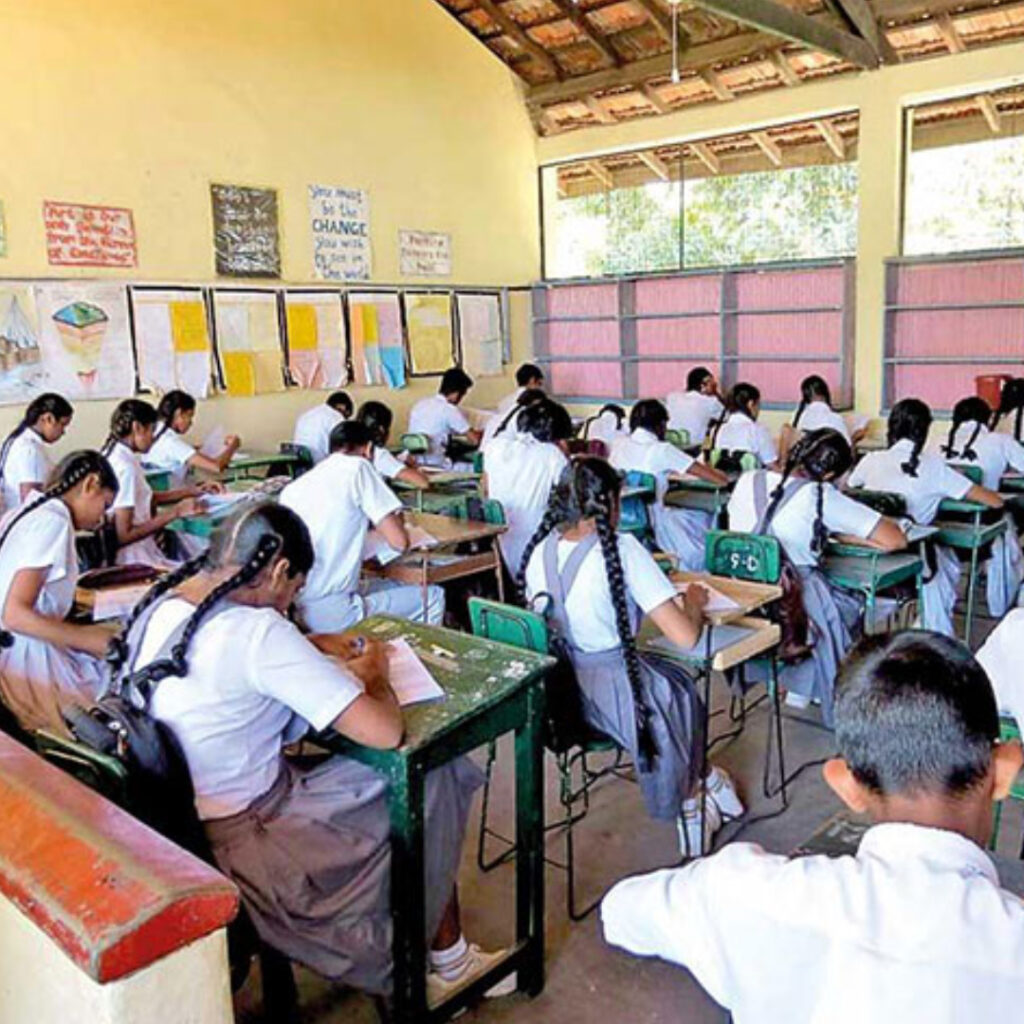
The implementation nature of School-Based Management on the development of small schools in Sri Lanka
The implementation nature of School-Based Management on the development of small schools in Sri Lanka G. D. H. Kosala1, T.W.V. Indigahawela2 1Sri Jayawardenapura Zonal Education Office, Sri Lanka 2Faculty of Education2, University of Colombo, Sri Lanka Abstract The purpose of this article is to explore the implementation of School-Based Management practices related to developing […]

Unraveling the Nexus between Self-directed Learning Readiness and Academic Attainment
Unraveling the Nexus between Self-directed Learning Readiness and Academic Attainment k. Piratheeban Department of Education, University of Jaffna, Sri Lanka Abstract Despite institutional efforts, integrating self-directed learning within the Sri Lankan higher education system encounters challenges from entrenched conventional teaching practices. In response to these challenges, this correlational study adopts a quantitative approach to […]
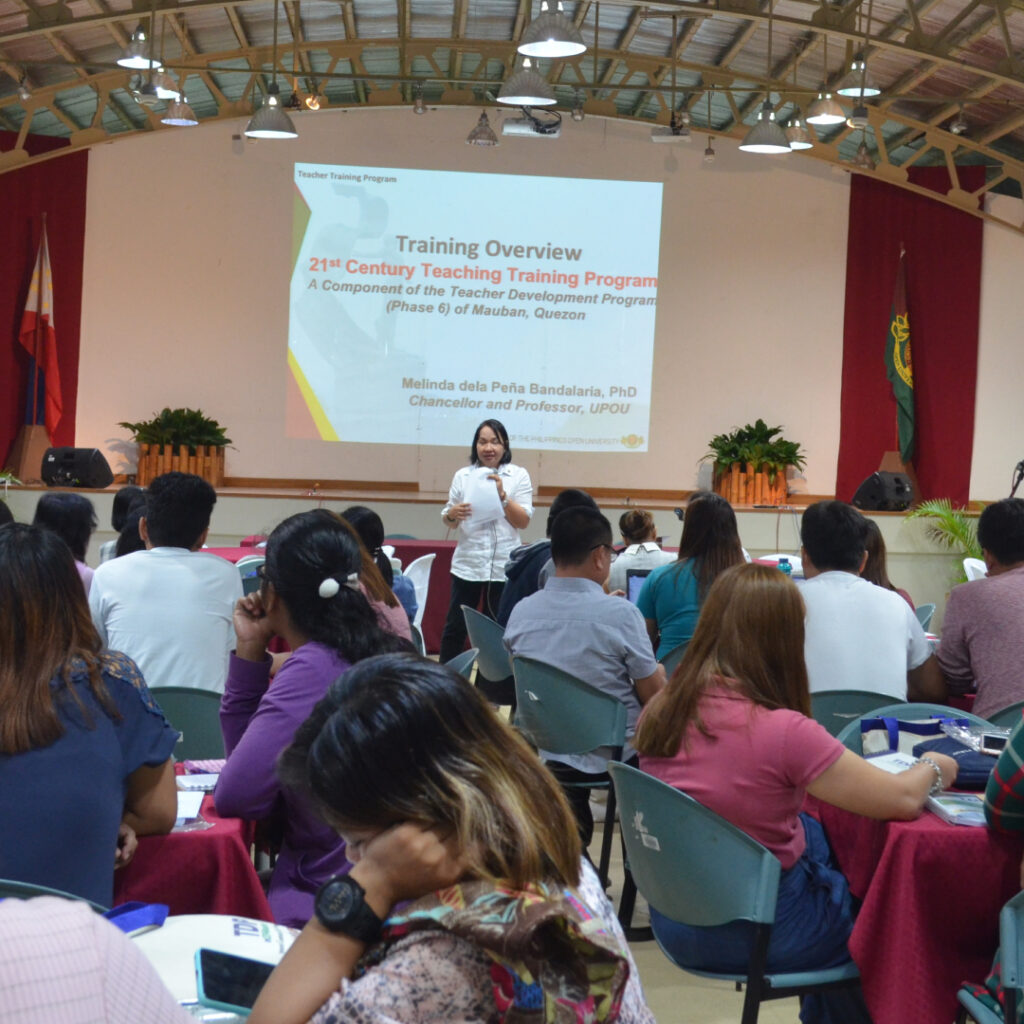
The Contribution of School – Based Professional Teacher Development (SBPTD) Programs in Developing Professional Competencies of School Teachers
The Contribution of School – Based Professional Teacher Development (SBPTD) Programs in Developing Professional Competencies of School Teachers K.W.C. Samudini1, S.S. Dahanayake1 University of Colombo, Sri Lanka Abstract This research aimed to study the contribution of School-Based Professional Teacher Development (SBPTD) programs in developing professional teacher competencies of school teachers. Research objectives focused on […]

The Influence of School Management on Strengthening the School – Community Relationship
The Influence of School Management on Strengthening the School – Community Relationship P. Sivananthan University of Colombo Abstract 0 A school is the sub-organization of a community. Both school and community are the basis for each other’s development. The school is understood as the agent undertaking the socialization process, and an organization of the […]